
Trade Under Fire: The Strait of Hormuz
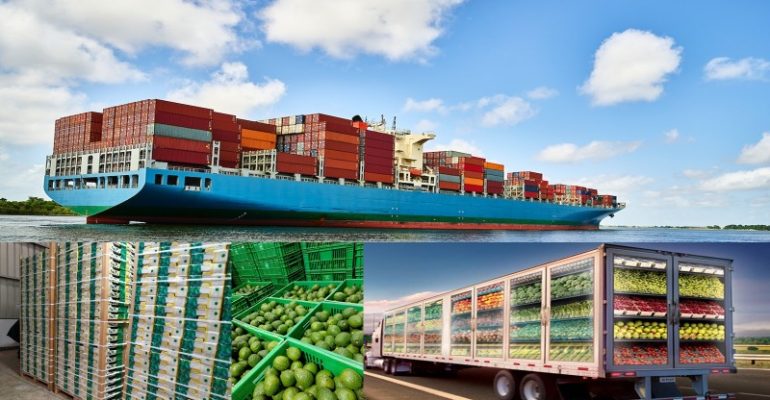
Trade Under Fire: The Strait of Hormuz
The escalation of tensions involving Iran, the United States, and Israel has evolved beyond a regional security crisis into a systemic shock for global trade. At the center of this disruption lies the Strait of Hormuz, a narrow maritime corridor through which a significant share of the world’s energy supply flows. For importers and exporters operating along the Europe-Africa trade line corridor, the implications are immediate, complex, and potentially long-lasting.
The Strategic Importance of the Strait of Hormuz
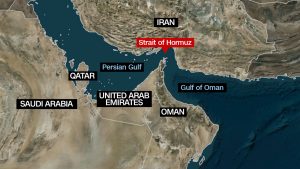
The Strait of Hormuz is a narrow, strategically critical waterway linking the Persian Gulf to the Gulf of Oman and the Arabian Sea. Bordered by Iran to the north and Oman and the United Arab Emirates to the south, it stretches about 167 km (104 miles) and narrows to roughly 39 km at its tightest point, making it a key global shipping chokepoint. The Strait of Hormuz is widely recognized as the world’s most critical maritime route for shipping goods. Roughly one-fifth of global petroleum liquids consumption transits through this passage daily. Its geographic narrowness, combined with its proximity to Iran, makes it uniquely vulnerable to geopolitical tensions. Even the threat of disruption can trigger sharp increases in oil prices, insurance premiums, and freight costs.
Iran’s strategic posture in the region is based on asymmetric naval capabilities, including fast attack vessels, sea mines, and anti-ship missile systems. In addition to direct air strikes confrontation, Iran focuses on deterrence through disruption. In practical terms, this means that any escalation in conflict raises the probability of partial or temporary closure of the strait, which in turn destabilizes global supply chains.
Supply Chain Disruptions and Economic Transmission
For global trade, disruptions at chokepoints such as the Strait of Hormuz act as force multipliers. A closure or sustained threat forces vessels to reroute, most notably around the Cape of Good Hope. This detour adds approximately 3,500 nautical miles to a typical journey, increasing transit times by up to two weeks. The consequences are multifaceted.
- Rising freight costs mean longer routes, which translate into higher fuel consumption and operational expenses. Emergency surcharges imposed by carriers can significantly inflate shipping rates.
- Container imbalances will extend voyage times, reduce the availability of empty containers at export hubs, creating bottlenecks.
- Inventory delays like just-in-time supply chains are particularly vulnerable, as delays disrupt production cycles and inventory planning.
These disruptions propagate through the global economy via cost-push inflation. Higher transportation and energy costs feed into manufacturing, agriculture (think of fertilisers) and retail, ultimately increasing prices for end consumers.
The Risk of Stagflation
One of the most concerning macroeconomic outcomes of prolonged disruption is stagflation, a combination of stagnant economic growth and rising inflation. Historical precedent, particularly the oil shocks of the 1970s, demonstrates how energy supply disruptions can trigger such conditions. For businesses, stagflation presents a dual challenge:
- Reduced demand: Economic stagnation dampens consumer spending.
- Rising costs: Input prices increase due to supply constraints.
For policymakers, the situation is equally complex, as traditional tools such as interest rate adjustments can exacerbate either inflation or economic slowdown.
Implications for Europe Africa Trade Channel
The Europe Africa trade corridor is particularly sensitive to disruptions in global maritime routes. While not all trade between these regions directly transits the Strait of Hormuz, the interconnected nature of global shipping means that any disruption reverberates across all major routes. Three key impacts are evident.
- Extended transit times
Rerouting vessels around southern Africa increases delivery times, affecting supply reliability. This is especially critical for perishable goods such as agricultural exports from Africa to Europe.

- Increased operational costs
Higher fuel costs, insurance premiums, and port congestion contribute to rising logistics expenses. These costs are often passed along the supply chain, reducing margins for exporters and increasing prices for importers.
- Erosion of competitiveness
Time sensitive goods, including fresh produce and certain manufactured items, become less competitive in European markets due to delays and higher costs.
What Importers and Exporters Should Expect
In the near to medium term, businesses should anticipate continued volatility rather than a quick resolution. Key expectations might include:
- Persistent freight rate fluctuations driven by uncertainty and capacity constraints.
- Higher insurance premiums, particularly required for routes perceived as high-risk.
- Increased geopolitical risk premiums, embedded in energy prices, affecting all transport modes.
- Supply chain unpredictability, including sudden delays or rerouting.
Strategic Recommendations for Businesses
To navigate this uncertain environment, importers and exporters in the EU Africa corridor should adopt a proactive and adaptive approach.
- Diversify logistics routes. Where possible, explore alternative shipping routes and multimodal transport options, including rail and air freight for high-value or time-sensitive goods.
- Strengthen inventory management. Shift from just-in-time to more resilient inventory strategies, such as maintaining safety stock for critical inputs.
- Enhance supplier diversification. Reduce dependence on single-source suppliers, particularly those reliant on vulnerable shipping routes.
- Leverage digital visibility tools. Invest in supply chain track and trace, and predictive analytics to improve visibility and responsiveness to disruptions.
- Negotiate flexible contracts. Incorporate clauses that allow for adjustments in delivery schedules and pricing in response to geopolitical events.
- Hedge against energy price volatility. Consider financial instruments or long-term contracts to mitigate the impact of fluctuating fuel costs.
- Engage in scenario planning. Develop contingency plans for various disruption scenarios, including partial or full closure of key maritime routes.
How EuroAfri Link Can Support Trade Resilience
EuroAfri Link supports trade resilience by providing real time market intelligence and risk monitoring to help businesses anticipate disruptions. It connects importers and exporters with alternative logistics routes and trusted partners to reduce dependency on vulnerable supply chains. EuroAfri Link also enables supplier and buyer diversification, improving continuity during periods of instability. Additionally, it facilitates access to trade finance (using the third person finacier) and enhances digital visibility across transactions. Overall, EuroAfri Link helps businesses adapt strategically and maintain operational stability in uncertain trade environments.
Conclusion
The geopolitical tensions surrounding Iran and the Strait of Hormuz highlight the vulnerability of global trade to localized disruptions. For Europe Africa trade, the impact is both immediate and structural, affecting costs, timelines, and competitiveness.
In this environment, resilience is built through diversification, foresight, and strong partnerships. EuroAfri Link plays a crucial role in bridging information gaps, facilitating connections, and enabling businesses to adapt. As uncertainty becomes a defining feature of global trade, those who invest in flexibility and strategic collaboration will be best positioned to sustain and grow their operations.
Join us and be part of the solution!
-Patience Chindong