
When Quality Is Not Enough: Why Logistics Makes or Breaks Fresh Produce Exports
When Quality Is Not Enough: Why Logistics Makes or Breaks Fresh Produce Exports
Fresh produce exporters often focus on farm-level quality and certifications, but weak logistics can still destroy value. Learn why cold chain, documentation, and coordination matter just as much as product quality. When exporters or producers think about exporting fresh fruits, vegetables, herbs or spices, like in Europe, they usually focus on one main area: quality.
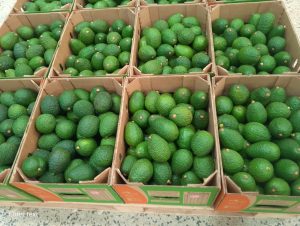
Is the fruit fresh?
Is it the correct size and variety?
Is it GLOBALG.A.P. certified?
Does it meet the buyer’s specifications and food safety standards?
These are all very important questions. However, experience with suppliers, buyers and logistics partners shows that another factor is just as important and often underestimated, which is logistics. Research on agri-food trade consistently finds that logistics performance, cold chain reliability and trade facilitation have a direct impact on export survival and profitability in perishable value chains (Behar et al., 2014; Shepherd, 2019; Jagdambe & Kannan, 2020).
A Great Product Can Still Fail
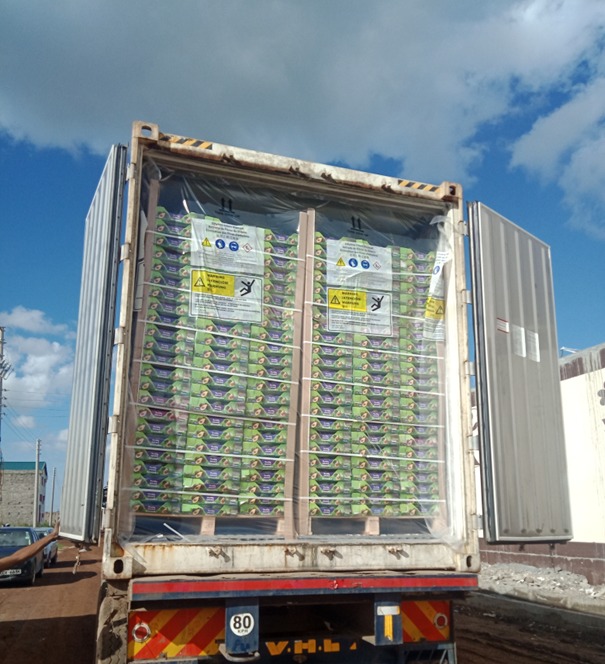
You can have the finest Hass avocados, kent mangoes, herbs or vegetables, but if the logistics chain breaks down, the shipment can fail before it reaches the customer. In fresh produce, the product starts losing value the moment it is harvested.
Common pain points include:
-
Delayed container positioning and equipment shortages
-
Last-minute booking cancellations
-
Documentation errors and missing certificates
-
Cold chain interruptions at packhouse, port or transit
-
Poor communication between suppliers, shipping lines and buyers
-
Customs delays and inspection issues
-
Unexpected freight surcharges and terminal congestion
-
No contingency plan when schedules change
In fresh produce exports, time is not simply money. Time is product quality, shelf life and ultimately market access. Studies on horticultural exports show that additional days in transit or at borders significantly reduce prices and increase rejection risks, especially for temperature-sensitive products (Behar et al., 2014; Jagdambe & Kannan, 2020).
Export Is More Than Growing Good Produce
Exporting fresh produce is a coordinated effort across multiple organisations and countries.
-
The farmer produces the crop.
-
The exporter prepares, grades and packs it.
-
The freight forwarder coordinates inland and port transport.
-
The shipping line moves it to the destination market.
-
The customs authorities process and clear documentation.
-
The importer receives, inspects and distributes it.
If one link in this chain fails, the entire shipment can be affected. Quality therefore does not stop at the farm gate. It continues through the entire supply chain: from harvest, through the packhouse and port, to cold storage and final delivery. Research on global value chains in perishables highlights that reliable logistics, documentation and standards compliance are now central components of “quality” as perceived by international buyers (Shepherd, 2019).
What We Learned from Recent Export Pilots
EuroAfri Link’s recent fresh produce pilots reinforced several key lessons that exporters can apply immediately:
-
Logistics planning must start before harvest.
Harvest dates should only be confirmed once the shipping schedule and equipment availability have been secured. -
Never depend on a single logistics solution.
Every exporter should have an alternative option if a booking is cancelled, a route changes or a container cannot be positioned on time. -
Communication is critical.
Regular updates between suppliers, buyers and logistics providers reduce uncertainty and allow problems to be solved early, not at the port gate. -
Documentation is part of quality.
Export documentation including certificates like GLOBALG.A.P. , and customs documents must be accurate and ready on time. Incorrect or late documents can damage a shipment just as much as poor handling. -
Long-term logistics partnerships create stability.
Working consistently with experienced logistics companies builds trust, improves predictability and can lead to better service and negotiated solutions during disruptions.
Building Stronger Supply Chains, Not Just Shipments
At EuroAfri Link, we believe exporters should not think only about selling products. They should think about building reliable supply chains that can support year-round export programmes.
That means assembling the right mix of:
-
qualified and compliant suppliers
-
experienced freight forwarders and logistics partners
-
clear and transparent communication channels
-
robust documentation and traceability systems
-
contingency plans for route changes, delays or disruptions
A shipment is only successful when the buyer receives the product in the expected condition, at the expected time and in line with the agreed specifications.
How EuroAfri Link Supports Exporters
As we continue building our network across Europe and Africa, EuroAfri Link aims to support exporters in more than just finding buyers. We help develop practical export solutions by:
-
connecting suppliers with vetted logistics and cold chain partners
-
clarifying commercial and operational requirements for EU fresh produce trade
-
aligning harvest planning with shipping schedules and buyer programmes
-
reinforcing documentation and compliance processes for smoother border crossings
Our objective is to help exporters build sustainable export programmes instead of relying on one-off, opportunistic transactions.
Whether you export:
-
fresh fruits
-
vegetables
-
herbs
-
spices
success depends on much more than production alone. It depends on having the right people, the right documentation, the right logistics and the right commercial structure working together as one system.
Looking Ahead: Logistics as a Competitive Advantage
The future of African fresh produce exports will not be built only on excellent products. It will be built on integrated supply chains in which farmers, exporters, logistics providers and international buyers operate as partners rather than disconnected actors.
At EuroAfri Link, that is the ecosystem we are working to build. In international trade, farm quality gets the buyer’s attention, but reliable logistics and documentation build long-term business.
– By EuroAfri Link
References (for further reading)
Behar, A., Manners, P., & Nelson, B. (2014). Exporting horticulture products: Evidence from firm-level data. The World Economy, 37(10), 1330–1354.
Jagdambe, S., & Kannan, E. (2020). Trade facilitation and export performance: Evidence from agriculture and food products. Journal of International Trade & Economic Development, 29(5), 570–589.
Shepherd, B. (2019). Logistics, trade facilitation, and international trade in perishable products. Journal of International Commerce, Economics and Policy, 10(2), 1950010.